


Approvals and compliance
Which approvals A&A and fit-out works need, how to tell a structural wall from a partition, what a PE endorsement is, why the engineer should work for the owner, and how unauthorised works are regularised.
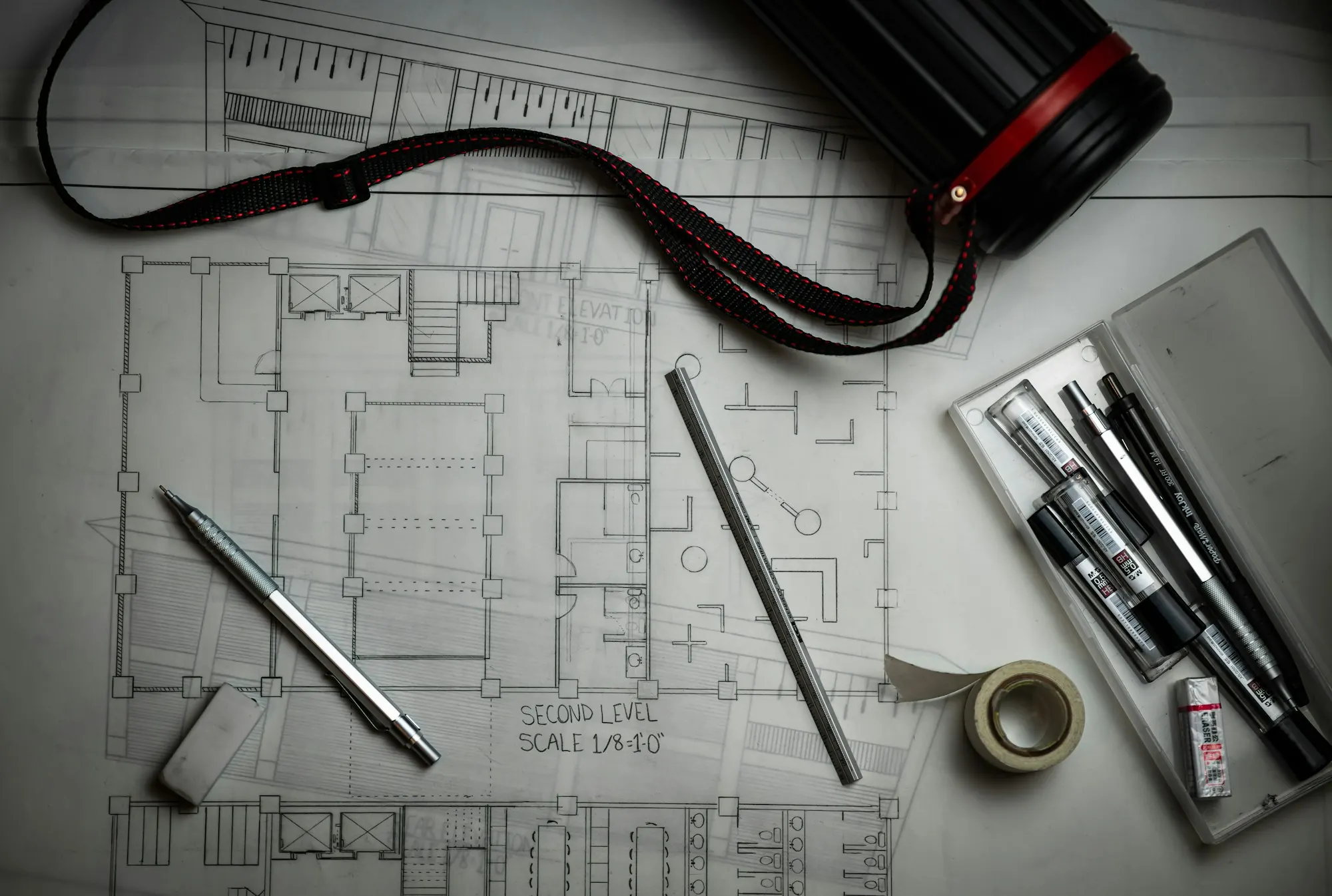
A&A and Fit-Out Approvals in Singapore: Who Approves What, and When
Most Singapore fit-outs and A&A works need several separate clearances: BCA for structural and non-exempt building works, SCDF for anything touching fire safety (plan approval, or a $90 minor A&A lodgement for small works), URA for change of use or external changes, the landlord, JTC or MCST, plus licensed electrical workers, licensed plumbers and gas workers for services. A Qualified Person coordinates the statutory submissions.
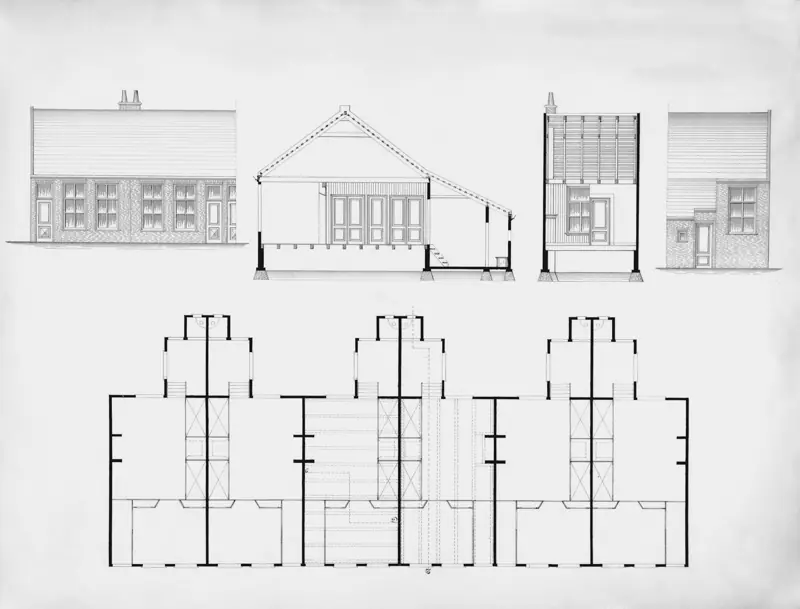
Hacking Walls and Slabs in Singapore: Structural Elements, PT Slabs and Household Shelters
In Singapore you may remove or open a wall without BCA submission only if it is genuinely non-load-bearing, meaning it carries nothing but its own weight. Openings in reinforced concrete walls, beams, columns or most slabs need a PE's structural plans and a BCA permit before work starts. Household and storey shelters must not be hacked; only limited drilling and finishes are allowed under SCDF's rules.
SCDF Fire Safety for Fit-Outs in Singapore: Approvals, Inspections and Common Failures
Under Singapore's Fire Safety Act, fit-out works that touch fire safety — partitions affecting exits, sprinklers, fire doors, ventilation, change of use — need SCDF plan approval through a Qualified Person before work starts. Small works in buildings with a TFP or FSC can be lodged for S$90 within strict limits. After approved works, a Registered Inspector must certify them before SCDF issues a TFP or FSC.
PE Endorsement in Singapore: What It Legally Means and Why Engineer Independence Matters
A PE endorsement is a statutory signature: only a Professional Engineer registered with the PEB and holding a practising certificate in force may sign plans or certificates that the law requires a PE to sign, and documents signed otherwise are invalid. The endorsing PE owes duties to the client, the regulator and the public, which is why owners are better served appointing and paying the engineer directly.
Unauthorised Building Works in Singapore: Penalties, Detection and How to Regularise
Unauthorised building works are works carried out without a required approval from BCA (plans or structural permit), SCDF (fire safety works) or URA (planning or conservation permission). They can attract fines of up to S$200,000 under each regime. To keep them, the owner appoints a Qualified Person to survey and assess the works and seek retrospective approval; otherwise they must be rectified or removed.
Signboards, Advertising Structures and Temporary Structures in Singapore: Licences, PE Endorsement and Safety
Outdoor signs in Singapore are licensed by BCA under the Building Control (Outdoor Advertising) Regulations, amended from 2 November 2026. A Permit To Use, applied for by a Professional Engineer, is needed before licensing when a sign over 10 m² sits on an advertising structure, or the structure exceeds 10 m² or reaches 4 m high. Owners must keep signs securely fixed.
Landed House A&A in Singapore: Reconstruction vs A&A, Attics, Extensions and Approvals
In Singapore, landed house works stay A&A only within URA's limits: added floor area up to 50% of the existing approved GFA, and no more than 50% of external walls or structural floor area replaced. Anything larger is lodged as reconstruction or new erection. Extensions, attics and basements need URA planning permission and, where structural, BCA plans and a permit through a Qualified Person.
Condo Renovation in Singapore: MCST Approval, By-Laws, Deposits and Prohibited Works
Condo renovations need MCST approval under the development's by-laws, and MCST authorisation under section 37 of the Building (Strata Management) Act for anything that affects the building's appearance or structure. Works adding floor area need a 90% resolution and URA permission. Structural works need a PE and BCA approval; household shelters, façades and balconies are tightly restricted.
A&A Works to Conserved Shophouses in Singapore: URA's 3R Rules, Permits and Fire Safety
Any work to a conserved shophouse needs URA Conservation Permission before it starts, even repainting. URA's rule is maximum Retention, sensitive Restoration and careful Repair: the roof, party walls, front façade, five-foot way and (in historic districts) timber floors must be kept. Rear extensions and roof mezzanines are allowed only within set limits, and Fire Code clause 9.9 governs timber floors and stairs.
Mezzanines, Lofts and Storage Platforms in Singapore: BCA, SCDF, URA and JTC Approvals
Most mezzanines need approval. BCA exempts only a single-level storage platform in an industrial building up to 4 m high and 50 m² (spans up to 6 m), and timber lofts up to 5 m². Platforms up to 100 m² may use BCA's lodgment route. SCDF treats any platform people use as a storey, so a QP must get fire safety plan approval and an FSC.
F&B and Commercial Kitchen Fit-Out Approvals in Singapore: SFA, NEA, PUB, SCDF, EMA and the Landlord
A Singapore F&B fit-out needs the use cleared first (URA, HDB or JTC), then SFA's approval of the kitchen layout before renovation, an NEA-compliant exhaust with air cleaning, a PUB-compliant grease trap, SCDF approval for fire safety works such as exhaust ducts, hood suppression and LPG, gas work by EMA-licensed gas service workers, and the landlord's fit-out approval.