


Safety and live sites
Who is liable when work at height goes wrong, how to run works inside fabs, malls, offices and places of worship, and the noise and working-hours rules that shape every programme.
Asbestos in Renovation and Strip-Out in Singapore: Surveys, Approved Removal and Owner Duties
In Singapore, building works on a building whose completion certificate or TOP was issued before 1 January 1991 must not start until a competent person has surveyed for asbestos. Any asbestos found may only be removed by an MOM-approved asbestos-removal contractor, which must notify MOM at least 7 days ahead. The occupier must ensure no one else removes it, and the waste goes by licensed collector to Semakau Landfill.
Demolition and Strip-Out Safety in Singapore: Permits, Structural Stability, Asbestos and Waste
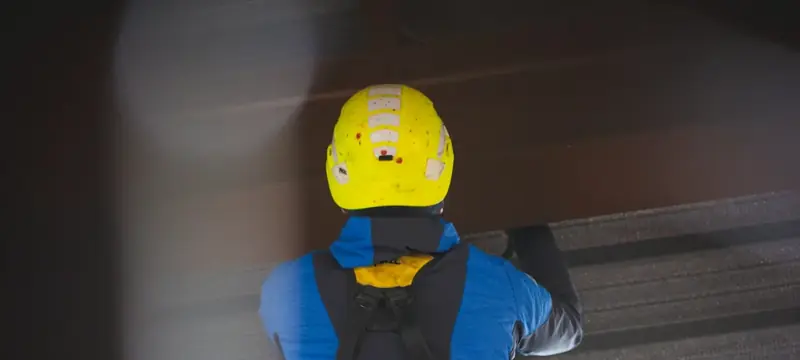
In Singapore, demolition is high-risk construction work needing a permit-to-work system. Hacking non-load-bearing walls and false ceilings is exempt from BCA plan approval, but removing columns, beams, slabs or load-bearing walls needs approved plans, a BCA permit and a PE's method statement. Older buildings need an asbestos survey first, and debris must go through NEA-licensed collectors.
Preventing Falling Objects in Singapore: Worksites, Façades and Rope Access
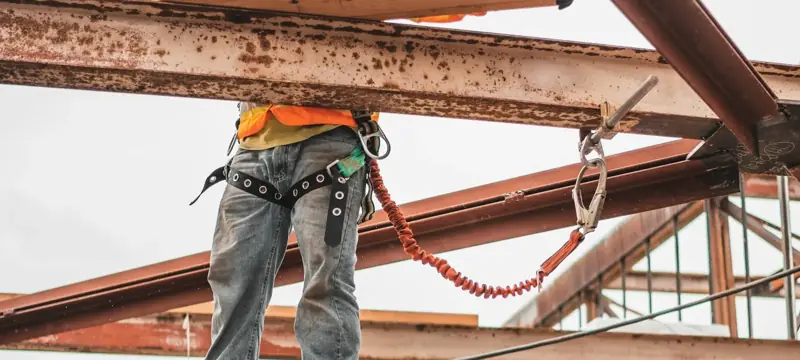
In Singapore, preventing falling objects is a legal duty shared by the occupier, the employer and the principal. On worksites the occupier must provide adequate overhead protection, scaffolds need toe-boards of at least 90 mm and overlay nets, and debris must go down chutes, not over the edge. Breaches carry fines of up to S$50,000 and two years' jail. Owners must also keep exterior features securely fixed.
Work at Height Law in Singapore: Owner, Occupier and MCST Liability Explained
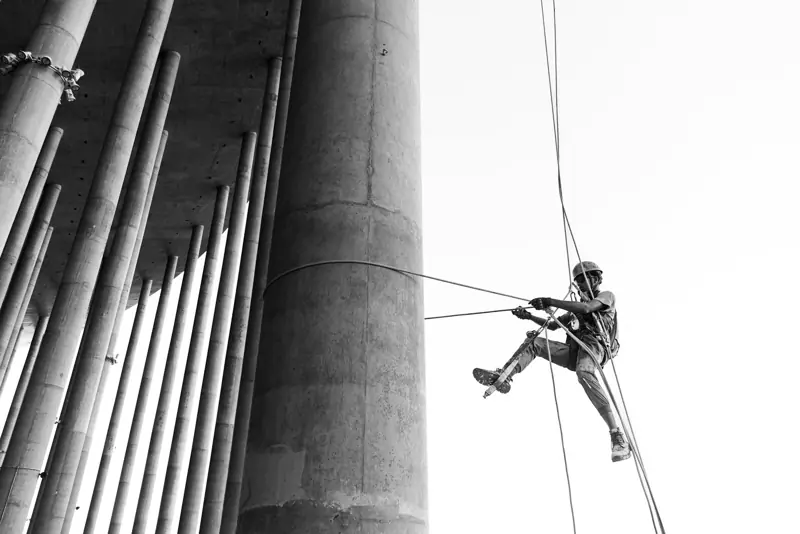
In Singapore, anyone who controls premises (the occupier), employs workers, or engages contractors (a principal) carries duties under the Workplace Safety and Health Act 2006. The Work at Heights Regulations 2013 require guard-rails where a fall exceeds 2 m and a permit-to-work in factories, including construction worksites, where a fall exceeds 3 m. Breaches can cost up to S$50,000 per regulation offence.
Working in Live Premises: Construction in Occupied Offices, Malls, Fabs, Hospitals and Places of Worship
Construction in occupied premises in Singapore is controlled less by one statute than by layered duties: the WSH Act duty to protect everyone on the premises, landlord and MCST house rules on hours and permits, fire safety management for hot works and alarm isolation, licensed electrical and plumbing workers for shutdowns, and sector standards such as ISO 14644 cleanroom classes or hospital infection control risk assessments.
Construction Noise and Working Hours in Singapore: NEA Limits, Sunday Rules, Condo and HDB Renovation Hours
NEA limits construction noise near homes within 150 m to 75 dBA (12-hour average) from 7 am to 7 pm, 65 dBA (1-hour) from 7 pm to 10 pm and 55 dBA (1-hour) overnight, with stricter limits near hospitals and schools. Sites within 150 m of homes or hospitals cannot work from 10 pm Saturday to 7 am Monday, or over public holidays, without a permit. Fines reach S$40,000.