


Defects and maintenance
Popped tiles, cracks, spalling concrete, roof and inter-floor leaks, window and glass safety, and the exterior features owners are legally responsible for: what causes them, when they are dangerous, and who has to fix them.
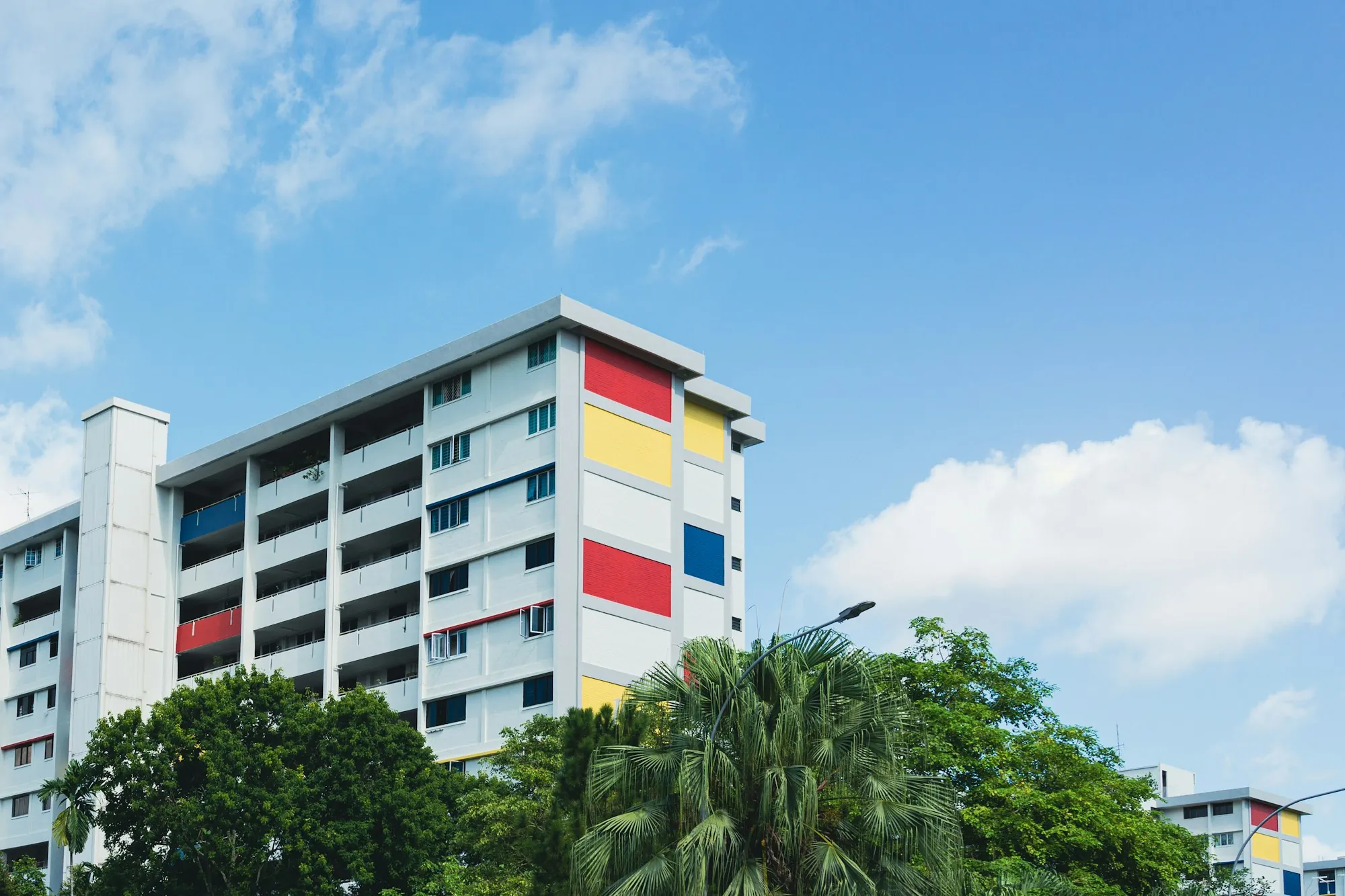
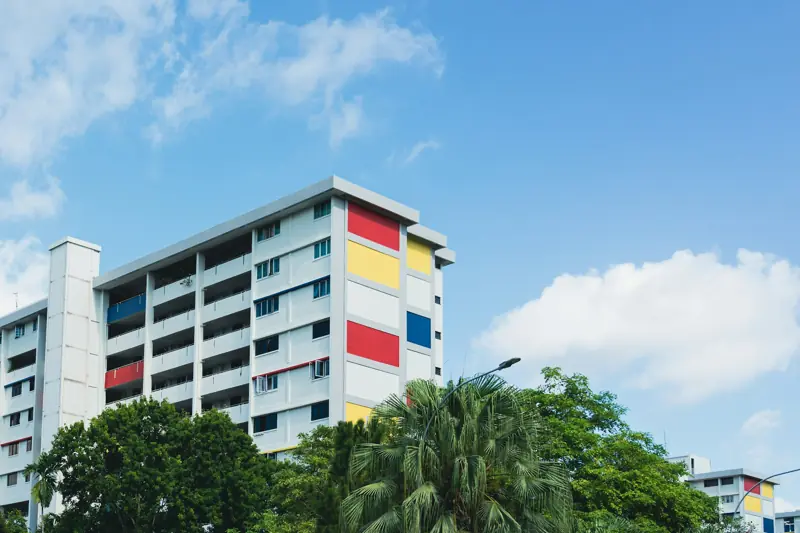
Popped, Hollow and Debonded Tiles in Singapore: Causes, Safety, Repair and Who Pays
Tiles pop or sound hollow when the bond between tile, adhesive and screed fails, usually from thermal movement without movement joints, poor adhesive coverage, an uncured substrate or age. Indoors, the unit owner generally pays after the developer's 12-month defects period. On façades, falling tiles are a public-safety risk handled through the MCST or owner and BCA's Periodic Façade Inspection.
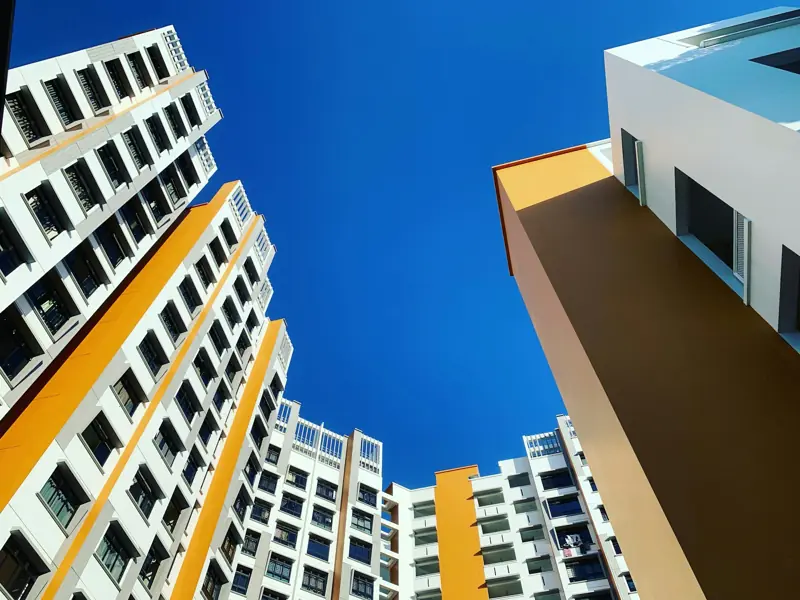
Concrete Spalling in Singapore: Causes, Risks, Repair Methods and Who Must Fix It
Spalling concrete is concrete cover cracking and breaking away because the steel reinforcement inside has corroded, usually after carbonation or chlorides destroy the steel's natural protection. Small patches can be repaired by removing loose concrete, cleaning and priming the steel and patching with polymer-modified mortar. Extensive spalling, beams, columns or cantilevers need a Professional Engineer. Owners repair inside HDB flats; MCSTs repair common property.

Cracks in Walls, Beams and Ceilings in Singapore: Which Are Structural and When to Worry
Most hairline cracks in plaster, paint and at wall-to-beam joints are non-structural, caused by shrinkage and thermal movement. Worry when cracks are wide or widening, diagonal or stepped, tapered, recurring, accompanied by rust stains, sagging or sticking doors, or appear in beams, columns or slabs. Monitor with dated tell-tales and call a Professional Engineer for those signs.

Flat Roof and Wet-Area Waterproofing in Singapore: Membranes, Ponding, Leak Tracing and Repair
Most flat-roof and bathroom leaks in Singapore come from failed membrane details, not the open field: upturns, outlets, penetrations and laps. Diagnose before repairing, using a controlled flood (ponding) test, moisture mapping and inspection. The code of practice is SS 637:2018. In strata buildings the roof membrane is common property, so the MCST repairs it.
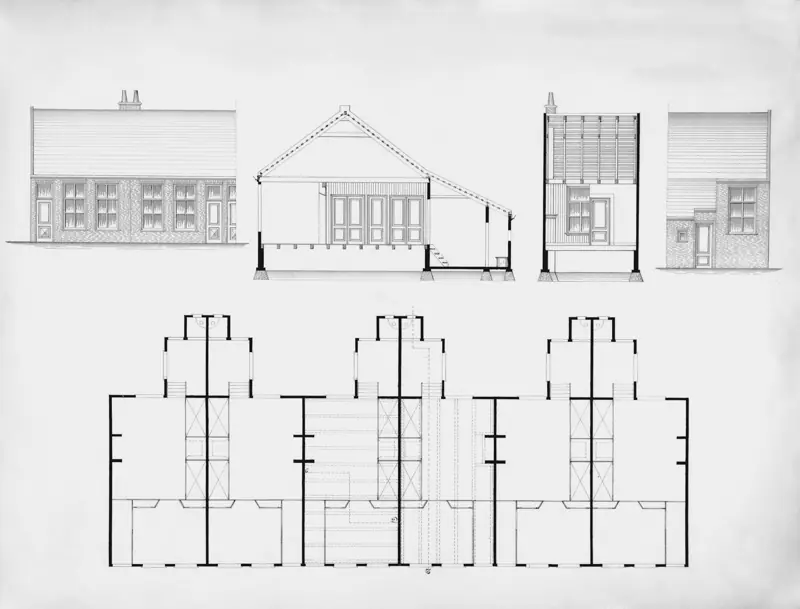
Water Seeping From the Unit Above: Inter-Floor Leaks in Singapore Condos, the Law, Testing and Who Pays
In a Singapore strata development, dampness on your ceiling is presumed, unless proven otherwise, to come from a defect in the unit or common property directly above (s 101(8) of the Building (Strata Management) Act). Both owners should investigate jointly, usually with a ponding test, and agree repairs and costs. If they cannot, either can apply to the Strata Titles Boards.

Tempered Glass Breakage and Glass Railings in Singapore: Nickel Sulphide, Heat-Soak Testing and BCA Barrier Rules
Tempered glass can shatter without impact, months or years after installation, when a tiny nickel sulphide inclusion expands inside the glass. Heat-soak testing to EN 14179-1 reduces but does not eliminate this risk. In Singapore, BCA's acceptable solution requires glass in barriers to be laminated, barriers to be at least 1.0 m high, and tempered glass at height 2.4 m or more to be protected.
Window Safety in Singapore: Owner Duties, Inspections, Rivets and Falling-Window Penalties
In Singapore the owner of a flat is legally responsible for keeping its windows securely fixed. BCA advises checking windows at least once every six months, and casement windows must use type 304 stainless steel rivets, not aluminium. Since 1 October 2025, a window that falls through poor maintenance can lead to a fine of up to S$20,000, 12 months' jail, or both.

Air-Con Brackets, Planter Boxes and Sunshades: An Owner's Guide to Exterior Features in Singapore
In Singapore, the person responsible for an exterior feature, such as an air-con bracket, sunshade or planter, must keep it securely fixed so it cannot fall. Since 1 October 2025, failing to do so can bring a fine of up to S$20,000, 12 months' jail, or both. External air-con units must sit on a stainless steel bracket or a concrete ledge, installed by a BCA-trained installer.