

Office Reinstatement in Singapore: The Complete Guide to Commercial Handback
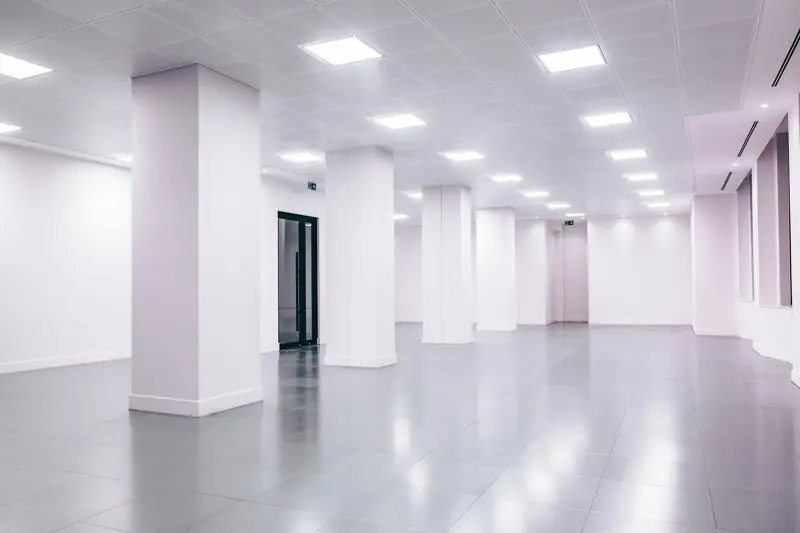
Office reinstatement is the work a tenant must do before handing premises back: removing its fit-out and restoring the unit to the condition the lease and the landlord's reinstatement guidelines require, often bare shell or original handover condition. It usually involves demolition, ceiling and M&E reinstatement, fire-protection reinstatement by a QP, a joint inspection and deposit settlement, all before the lease expiry date.
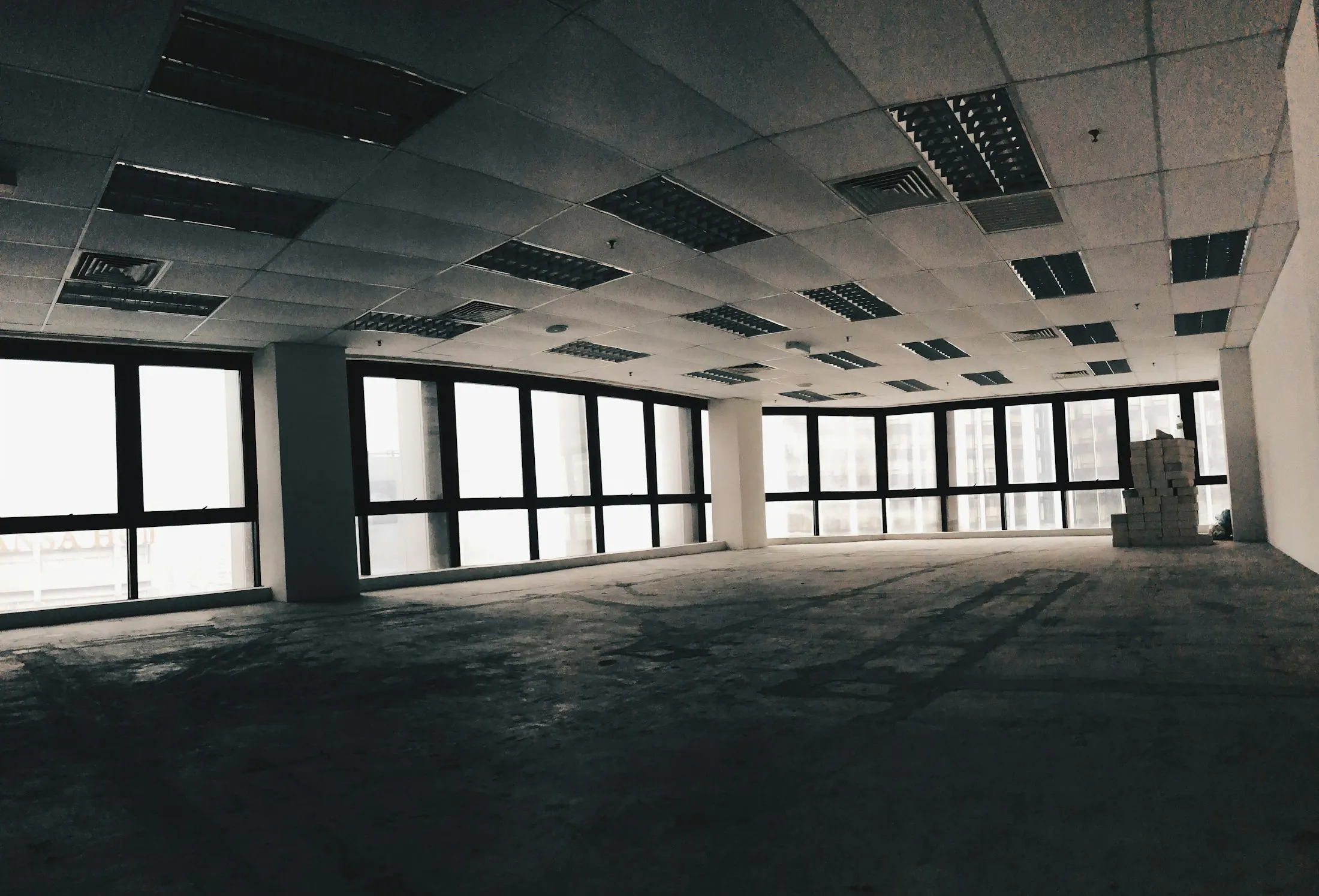
Reinstatement is the last obligation in a commercial lease and the one tenants most often underestimate. At the end of the term the tenant must remove what it built and give the unit back in the condition the lease requires. In a Singapore office, mall or industrial building that is rarely a simple strip-out: it touches the building’s sprinkler and fire alarm systems, the electrical installation, the air-conditioning, the curtain wall and the landlord’s house rules about when noisy work may happen and which lifts can be used.
The stakes are asymmetric. A reinstatement contract is usually small compared with the original fit-out, but the cost of not finishing on time is not. Under Singapore law a tenant who holds over after the tenancy ends can be charged double rent or double value at the landlord’s option,12 and JTC tells its tenants plainly that they are liable for double rent from the expiry date if reinstatement is not completed.4 The security deposit, often several months’ rent, sits with the landlord until handback is accepted.6
This guide covers the whole process for offices, retail units and industrial premises: what reinstatement clauses require, how to read the lease and the landlord’s guidelines, the typical scope, which approvals apply, building rules, joint inspection, deposit return, the negotiation options, and a timeline planned backwards from the handback date. For the financial side of a late handback, see the true cost of a late handback and the overstay cost calculator.
What a reinstatement clause actually requires
The obligation comes from your documents, not from statute
There is no Singapore statute that tells a commercial tenant what condition to return premises in. The obligation is contractual: it sits in the lease (or tenancy agreement), in documents the lease incorporates, and in the building’s rules. A common formulation requires the tenant to return the space in its original form, which may include removing furniture, repainting walls and repairing damage, and some leases allow the landlord to appoint the reinstatement contractor at the tenant’s cost.6
Large landlords publish detailed rules. CapitaLand’s tenant welcome kit for CapitaSky, for example, states that reinstatement works must follow its Reinstatement Guidelines, “furnished to tenants on request”, together with the tenancy agreement.1 JTC tells tenants that after a joint site inspection it will set out the reinstatement requirements, taking into account the lease, and that the tenant must comply with its site-return guideline.4
The practical consequence: the scope is whatever the landlord’s current guidelines say, read with your lease. Ask for the guidelines in writing, early, and keep the version you were given.
The three common reference conditions
| Reference condition | What it usually means | Typical evidence | Main risk |
|---|---|---|---|
| Bare shell | Partitions, ceiling, raised floor and finishes removed; services cut back to base-building points; slab and walls made good | Lease definition; base-building drawings | Over-stripping items the landlord actually wants kept, or under-stripping items it wants removed |
| Original handover condition | Back to what you received at lease start, which may include landlord’s ceiling, lighting, carpet and air-con diffuser layout | Handover letter, condition report, move-in photographs | No record of what was handed over, so disputes default to the landlord’s view |
| Landlord’s specification | A building-standard finish set out in the reinstatement guidelines, sometimes different from both of the above | Current reinstatement guidelines | Guidelines revised since you moved in |
Landlords may revise their rules. CapitaLand’s fit-out guidelines reserve the right to revise submission requirements “at any time, without prior notice”.2 Treat any guideline older than a few months as a draft until the managing agent confirms it is current.
Reading the lease: the clauses that matter
Read these clauses together, not in isolation:
- Yield-up or reinstatement clause. The condition required, and whether the landlord can elect to keep some of your alterations.
- Landlord’s right to carry out reinstatement. Whether the landlord can do the work and charge you, and on what basis (cost plus administration fee, for example).
- Holding-over clause. What you pay if you remain in occupation after expiry. Some leases restate or expand the statutory double rent. WongPartnership’s real estate commentary notes that leases often state the landlord does not consent to the tenant remaining after expiry, to avoid an implied extension.15
- Security deposit clause. What the landlord may deduct and when it must refund.
- Notice and option clauses. When you must tell the landlord you will not renew. This fixes your real start date for reinstatement planning.
- Alterations clause. What you were allowed to install, and whether consents granted at fit-out stage came with a condition to remove the item at expiry.
Documents to collect before you ask for quotations
- The signed lease and every side letter or variation
- The landlord’s current reinstatement guidelines, in writing
- The handover letter, condition report and move-in photographs
- Your fit-out approval letters and the landlord’s conditions attached to them
- As-built drawings of your fit-out: partitions, ceiling, electrical single-line diagram, sprinkler and fire alarm layouts, air-con and data
- Any SCDF acknowledgement or approval obtained for the fit-out
- Contact details for the managing agent, the building’s approved QP and its nominated term contractors
- Your security deposit amount and any bank guarantee wording
Typical reinstatement scope, item by item
Every building is different, so the table below is a checklist of where scope hides, not a specification. Your landlord’s guidelines override it.
| Element | Typical reinstatement action | Who usually does it | Watch-outs |
|---|---|---|---|
| Partitions and doors | Demolish tenant partitions and doors; make good floor, ceiling and wall junctions | Your contractor | Hacking and drilling restricted to permitted hours |
| False ceiling | Remove tenant ceiling, or reinstate building-standard ceiling grid and tiles | Your contractor | Original ceiling type and height may be specified; perimeter lights may be controlled by landlord |
| Flooring | Remove carpet, vinyl, raised floor and adhesive; reinstate screed or building-standard finish | Your contractor | Adhesive residue and screed levels are common defect items |
| Electrical | Remove tenant DBs, circuits and fittings; terminate at base-building point; test | Your contractor through a Licensed Electrical Worker | Electrical works must be carried out by an LEW |
| Data and telecom cabling | Remove abandoned cabling from ceiling, risers and floor | Your contractor or IT vendor | Riser openings must be fire-stopped again |
| Sprinklers | Relocate or re-space heads to suit the reinstated layout; drain-down and recharge | Landlord’s approved QP and sprinkler contractor, in many buildings | Must follow SS CP 52; drain-down usually needs advance notice |
| Fire alarm and detectors | Remove tenant devices; reinstate base-building detection | Landlord’s approved QP / nominated contractor | Isolation must be approved; false alarm costs fall on contractor |
| Air-conditioning (ACMV) | Remove tenant fan coil units, supplementary units and ductwork; reinstate base-building diffuser layout; air balancing | Your ACMV contractor, with landlord’s BMS contractor | Chilled-water connections and BMS points are often landlord-controlled |
| Plumbing and pantry | Cap off tenant pantry and sink points at landlord’s points | Your contractor | Leaks during cap-off damage floors below |
| Signage | Remove tenant signage and make good substrate | Your contractor | Signage on façades may involve work at height |
| Curtain wall and glass | Remove film, blinds and fixings; repair fixing holes | Your contractor | Many buildings forbid fixings into curtain-wall mullions at all |
| Structural alterations | Close slab openings, remove internal staircases, reinstate structural elements | Your contractor with an owner-appointed PE | Needs QP design, BCA approval and a structural works permit |
| Common-area damage | Repair lift interiors, corridors and finishes damaged during works | Your contractor | Inspected before and after works by the managing agent |
The fire protection and building systems deserve special attention. CapitaLand’s guidelines for CapitaSky require tenants to engage the landlord’s approved QP to modify the existing fire protection system, prohibit removal or re-spacing of sprinklers not in accordance with SS CP 52, require risers to be fire-stopped with approved materials, and require works to the fire alarm to comply with SS 645.2 JTC’s guidelines require sprinkler drain-down and recharge to be arranged at least three working days in advance and normalised by 5 pm the same day, with no drain-down or recharge after office hours.5 These are the constraints that turn a two-week strip-out into a five-week programme if they are discovered late.
Approvals you may need during reinstatement
Reinstatement is building work, and the approvals regime does not switch off because you are removing things rather than building them. Use the approval navigator and the master guide on which approvals A&A and fit-out works need for detail; the summary below covers the usual triggers.
Fire safety (SCDF)
Removing partitions and ceilings changes room layouts, sprinkler coverage, detector coverage and exit routes. In Singapore those are fire safety matters handled by a Qualified Person (QP). SCDF operates a lodgement scheme for minor additions and alterations that applies only to works listed in the Schedule to the Fire Safety (Building and Pipeline Fire Safety) Regulations; plans must be lodged by a registered architect or professional engineer, the applicant must have the consent of the building owner or management corporation, and SCDF lists a fee of $90 per submission via CORENET.7 Works outside that scheme go through plan approval. Where a building is occupied under an existing Temporary Fire Permit or Fire Safety Certificate, SCDF states that using or occupying premises without the required certificate is an offence under the Fire Safety Act 1993.8
The detailed guide on fire safety approvals for fit-outs explains the routes. For reinstatement, the practical point is that the landlord’s approved QP is often the only QP who can sign off changes to the base-building system, so book them early.
Electrical (EMA)
The Energy Market Authority requires electrical works at consumers’ premises, including rewiring, modification, alteration, repair or replacement, to be carried out by Licensed Electrical Workers.9 Disconnecting and terminating tenant circuits back to base-building points is electrical work. Your contractor should name the LEW, and the landlord will usually want test results before accepting the handback.
Building and structural (BCA)
BCA lists certain “insignificant building works” that do not require plan submission, while reminding owners that they must still observe safety and obtain approvals from other authorities, and advising them to consult a QP when in doubt.10 Removing non-structural partitions and finishes is commonly in that territory. Structural changes are not: closing an opening between floors, removing an internal staircase installed for the tenancy or reinstating a cut beam needs a QP’s design, structural plan approval and a permit to carry out structural works.11 See hacking walls, slabs and structural elements for the detail.
Independent engineer's note
Where reinstatement touches structure, for example closing a slab opening created for an internal staircase, the Professional Engineer designs the works, certifies them and signs off for the authorities. That engineer should be appointed and paid by the tenant or owner directly, not supplied through the contractor, so that the person certifying the work owes no commercial loyalty to the person doing it. RRD’s practice is to recommend direct appointment; its usual independent engineering partner is CVC Engineers, a Singapore PE consultancy, but the owner is free to appoint any PE and RRD adds no mark-up to engineering fees. More on this in PE endorsement and why independence matters.
Building rules: approved contractors, hours, lifts, loading bays and insurance
Most delays in reinstatement come not from authorities but from house rules. These are published by the landlord, enforced by the managing agent, and vary from building to building. Two published examples show the range.
Example 1: a Grade A office tower (CapitaSky)
CapitaLand’s fit-out guidelines for CapitaSky restrict hacking, demolition and drilling to permitted hours: Monday to Friday 7 pm to 7 am the following day, Saturday 2 pm to 9 am the following day, and Sundays and public holidays 9 am to 5 pm.2 Minor works are allowed in office hours only if they are not noisy, dusty, odorous or obstructive, the tenant service centre may stop works immediately without liability for delay, and attendance and standby fees for out-of-hours work are borne by the tenant.2 Ad-hoc permit requests need at least three working days, a fit-out deposit must be paid at least two weeks before works start, contractors’ public liability, work injury compensation and employer’s liability policies must be lodged, and common areas must be protected with plywood and padded canvas.2
Example 2: a government office building (The URA Centre)
URA’s own reinstatement rules for a floor of The URA Centre require a landlord permit to work before any work starts, contractor passes for every worker, quiet work only from 8.30 am to 7 pm on weekdays, and noisy works such as hacking and drilling only from 7 pm to 10 pm on weekdays and Saturdays, subject to NEA noise rules.3 No work is allowed on Sundays and public holidays without approval sought at least a week ahead, loading bay access needs three working days’ notice, workers must use only the assigned lift, debris must leave in the contractor’s own skip, and the contractor bears the cost of any false fire alarm it causes.3 The contractor must take out contractor’s all risks insurance (including public liability) and work injury compensation insurance.3
3 hours of noisy-work window per weekday evening under The URA Centre’s reinstatement rules (7 pm to 10 pm)3
The difference between those two windows matters. Twelve hours of permitted noisy work a night and three hours a night are very different programmes for the same demolition quantity. That is why the building rules must be in hand before a contractor prices the job and commits to a duration.
Approved and nominated contractors
Buildings commonly reserve certain systems for the landlord’s own consultants or term contractors. In the CapitaSky guidelines, modifications to the fire protection and fire alarm systems go through the landlord’s approved QP, the building management system is reviewed by the landlord’s nominated BMS contractor, and water treatment for chilled-water connections is by the landlord’s nominated term contractor.2 JTC encourages tenants to use the building contractor for fire alarm panel works so as not to void the warranty.5 Ask the managing agent for the list before awarding the reinstatement contract, and make sure your contractor’s price either includes or clearly excludes nominated-contractor costs.
Insurance
Expect to provide, before works start, at least public liability (often as part of a contractor’s all risks policy) and work injury compensation insurance. MOM requires employers to buy work injury compensation insurance for all employees doing manual work and for non-manual employees earning $2,600 or less a month, and expects subcontractors to insure their own employees.13 Landlords may also require named-insured and waiver-of-subrogation wording.2 Check that the policy period covers the whole reinstatement plus the defects-rectification window after joint inspection.
Composite scenario: the three-hour window
A professional-services firm signs up a reinstatement contractor on a price based on a twelve-hour overnight hacking window, which the contractor assumed from its last job in a different tower. The building’s rules allow noisy work only from 7 pm to 10 pm on weekdays and Saturdays. Demolition that was planned for eight nights takes five weeks. The sprinkler drain-down slot with the landlord’s contractor is missed and rebooked. The handback slips by eighteen days past expiry. The lease’s holding-over clause applies double rent for those days, the landlord deducts its inspection and administration charges from the deposit, and the firm’s new-office move is delayed because its IT team is tied up. Every one of those costs traces back to a building rule that was available, in writing, before the contract was signed. This is a composite scenario, not a specific event.
The joint inspection and defects
The joint inspection is where the landlord decides whether you have complied. Plan for two: a pre-reinstatement inspection to agree the scope, and a final inspection to accept the handback.
JTC arranges a joint site inspection approximately six months before lease expiry and then informs the tenant of reinstatement requirements.4 Private landlords vary, but the principle is the same: agree in writing, before work starts, what will be removed, what will be kept and what finish is expected. Bring the drawings and photographs from the document checklist.
At the final inspection, typical defect items are adhesive residue on the slab, uneven screed, unpatched ceiling or wall fixings, missing ceiling tiles, sprinkler heads at the wrong level, detectors missing, unsealed riser openings, damaged common-area finishes and outstanding as-built or test documents. JTC’s fit-out guidelines show the pattern: the landlord inspects common areas before and after works, and damage caused during transport of materials must be reinstated at the tenant’s cost.5
Running a joint inspection that closes the first time
- Two weeks before completion, walk the site with your contractor against the landlord’s guidelines and fix what you find.
- Prepare the document pack: as-built or reinstatement drawings, QP acknowledgement for fire-protection changes, LEW test results, air-balancing report if ACMV was altered, and waste disposal records if requested.
- Book the inspection with the managing agent and confirm who will attend for the landlord, including any M&E representative.
- Inspect together, record each item with a photograph and location, and get the list countersigned.
- Agree a rectification period in writing that ends before the lease expiry date.
- Rectify, re-inspect and obtain a signed acceptance or clearance form, then return keys and access cards against a receipt.
The CapitaSky guidelines, for example, use a joint inspection clearance form signed after rectification as one of the documents needed before the landlord refunds the fit-out deposit.2 Ask what equivalent form your building uses for reinstatement.
Getting your security deposit back
A refundable security deposit equivalent to about three months’ gross rent is common in Singapore commercial leases, refunded without interest at the end of the lease subject to the tenant’s performance.6 The landlord can usually deduct the cost of completing or correcting reinstatement, arrears, utilities and other charges.
What speeds up the refund:
- A signed handback acceptance or joint inspection clearance with no open items.
- Final utility readings and settled accounts.
- Return of all keys, access cards and car park labels against a receipt.
- A written statement of account from the landlord, which you reconcile promptly.
What slows it down: open defects, missing fire-safety or electrical documents, and arguments about whether an item was “original” or tenant-installed. Those arguments are much easier to win with move-in photographs.
Negotiation options before you start work
Reinstatement is negotiable more often than tenants assume, because the landlord’s interest depends on what happens next to the space.
| Option | When it can work | What to put in writing |
|---|---|---|
| Full reinstatement as per lease | Default position; landlord wants a clean, re-lettable unit | Scope agreed at pre-inspection; acceptance criteria |
| Partial reinstatement | Landlord wants to keep some items, e.g. ceiling, lighting, glass meeting rooms | List of retained items and a release from reinstating them |
| Cash in lieu | Landlord plans its own refurbishment or re-planning | Sum, basis of calculation, release of obligation, deposit treatment |
| Handover of fit-out to incoming tenant | Incoming tenant wants your fit-out | Three-way agreement: landlord consent, release for you, incoming tenant assumes reinstatement at the end of its lease |
| Extension or short licence | You cannot finish by expiry for reasons you can see coming | Fixed period, rent, and confirmation the landlord does not treat it as holding over |
Cash in lieu deserves a careful look. The landlord will set the figure against its own estimate, so an itemised quotation from a contractor who has surveyed the site is your best evidence. If the incoming-tenant route is available, it can remove most of the demolition entirely, but only if the documents are complete: fire-protection records, electrical installation records and as-built drawings that match what is on site.
An extension negotiated before expiry is a commercial agreement. Remaining in the premises without one is holding over, with the statutory and contractual consequences covered in the true cost of a late handback.
A backward-planned timeline from the handback date
The right way to plan reinstatement is backwards from the date the landlord must have the keys. The programme below is Illustrative for a mid-sized office floor of a few thousand square feet with standard fit-out, in a building with restricted noisy-work hours. Larger or more complex premises, structural reinstatement, or tighter house rules all push the start date earlier.
| Time before handback (Illustrative) | Activity | Notes |
|---|---|---|
| 9 to 12 months | Check notice and renewal deadlines; decide whether to renew | JTC sends a reminder one year before expiry4 |
| 6 to 8 months | Request current reinstatement guidelines; collect documents; pre-reinstatement joint inspection | JTC holds its joint site inspection about six months before expiry4 |
| 5 to 6 months | Site survey by two or three contractors; itemised quotations | Insist that building rules and nominated-contractor items are priced or excluded explicitly |
| 4 months | Explore cash in lieu, partial reinstatement or incoming-tenant handover with landlord | Get any agreement in writing before awarding work |
| 3 to 4 months | Award contract; appoint QP (often landlord’s approved QP) and LEW; programme agreed | Baseline programme with critical path; see fit-out programme guide |
| 2 to 3 months | Landlord submissions: permit to work, insurance, worker list, deposit, method statements | Allow for the landlord’s own processing times, e.g. three working days for ad-hoc permits at CapitaSky2 |
| 6 to 10 weeks | Move out, IT decommissioning, furniture disposal | Do not let move-out overlap the start of demolition if the building limits lift use |
| 4 to 8 weeks | Demolition, M&E cut-back, sprinkler and fire alarm reinstatement, ceiling and floor make-good | Noisy works only in permitted hours |
| 2 to 3 weeks | Internal check, rectification, document pack | QP and LEW sign-offs |
| 1 to 2 weeks | Final joint inspection and rectification | Keep a buffer: this is the step that slips |
| Handback day | Keys, access cards, signed acceptance | Before expiry, not on it |
Two principles sit behind the table. First, put the buffer at the end, not the beginning: a week of float after the final inspection is worth more than a week of extra planning time at the start. Second, sequence the move-out so the contractor gets clean access; reinstatement cannot run efficiently while furniture and servers are still on the floor.
Questions to ask every reinstatement contractor before you award
- Have you surveyed this unit, and is your price based on this building’s written rules and permitted hours?
- Which items are excluded because they belong to the landlord’s nominated contractors or QP?
- Who is your Licensed Electrical Worker, and who will handle the sprinkler drain-down and recharge?
- What is your programme, and which activities are on the critical path?
- What insurances will you lodge with the managing agent, and do they cover the whole period including rectification?
- How will you manage debris removal, lift protection and loading-bay bookings?
- What licences and registrations do you hold? Where the works include building works whose plans need BCA approval, the main contractor must hold a BCA general builder’s licence.14 (See choosing a contractor.)
Retail and industrial reinstatement: what is different
Retail units add shopfronts, hoardings, kitchen exhaust systems and grease traps. Mall guidelines typically require hoardings to be erected before work starts to the landlord’s design; CapitaLand’s guidelines, for example, require retail hoardings before fitting-out work commences and the tenant to obtain the hoarding design from the tenant service centre.2 Restricted hours in malls follow trading hours, so demolition is often night work.
Industrial premises add heavy equipment, floor loading, rooftop installations and, for some trades, environmental obligations. JTC’s site-return guideline covers demolition, earthworks, turfing and as-built surveys for land, and tenants whose business involves pollutive materials must complete an Environmental Site Assessment before returning premises.4 JTC’s fit-out guidelines also require approval before hacking or drilling into walls, floors, ceilings or pillars and before installing partitions,5 which means the reinstatement of such items is equally controlled. For works in occupied industrial and other sensitive buildings, see working in live premises.
Who does what at handback
| Party | Responsibility at reinstatement |
|---|---|
| Tenant | Reads lease, obtains guidelines, appoints contractor and consultants, pays costs, signs handback |
| Landlord / managing agent | Issues guidelines and permits, enforces house rules, inspects, accepts or rejects handback, settles deposit |
| Reinstatement contractor | Plans and executes works within rules, coordinates trades, rectifies defects |
| Qualified Person (architect or PE) | Fire-safety lodgement or submission; structural design where needed |
| Licensed Electrical Worker | Electrical isolation, termination, testing |
| Landlord’s nominated contractors | Sprinkler, fire alarm, BMS or chilled-water works where the building reserves them |
How RRD approaches this
RRD starts reinstatement jobs with a site survey and the landlord’s written guidelines, then issues an itemised quotation that lists cost-risk items, such as nominated-contractor works and permitted-hour constraints, before the client signs. Works are supervised on site after a safety briefing, and the job closes with a joint inspection and handover. RRD’s recent reinstatement work includes two office units across levels 15 and 16 in September 2024; more on the service at /services/reinstatement/.
Summary
Reinstatement is governed by your lease and your landlord’s current guidelines, so get both in writing early. Price it against the building’s real rules, not assumptions. Expect fire-protection, electrical and sometimes structural approvals, and book the landlord’s approved QP and nominated contractors well ahead. Plan backwards from the handback date with the buffer at the end, run the joint inspection with a complete document pack, and finish before expiry. If you need to estimate what a slip would cost, try the overstay cost calculator; for terms used here, see the glossary.
Questions people ask
What does 'reinstate to original condition' mean in a Singapore office lease?
It means whatever your lease and the landlord's reinstatement guidelines define it to mean. Some leases require bare shell condition (ceiling, flooring and partitions removed, services capped back to base-building points); others require the condition at original handover, which may include a landlord-installed ceiling, lighting and carpet. Read the reinstatement clause, the handover condition record or photographs from move-in, and ask the managing agent for the current reinstatement guidelines in writing. Where the documents conflict, raise it early rather than at the joint inspection.
How long does office reinstatement take in Singapore?
On-site works for a typical office floor are often a matter of weeks, but the overall process is longer because it includes reading the lease, getting the landlord's guidelines, a pre-reinstatement survey, quotation and award, building permit-to-work applications, QP work on sprinklers and fire alarm, after-hours noisy works, a joint inspection and rectification. Plan backwards from the handback date and start at least four to six months ahead for a mid-sized office. The timeline in this guide is illustrative, not a rule.
Can I use any contractor for reinstatement, or must I use the landlord's contractor?
It depends on the lease and building rules. Some leases let the landlord carry out reinstatement at the tenant's cost; many buildings require specialist systems such as sprinklers, fire alarm, building management system or chilled-water connections to be handled by the landlord's approved QP or nominated term contractor. General demolition and finishing work is often open to your own contractor, provided they follow house rules, hold the insurances the building requires and obtain the permit to work.
Do reinstatement works need SCDF or BCA approval?
Often there is a fire-safety element: removing partitions and ceilings changes sprinkler, smoke-detector and exit layouts, so a Qualified Person usually has to deal with SCDF, either through the minor addition and alteration lodgement route or a plan submission. Structural changes, such as closing an opening between floors, need a QP and BCA approval. Purely non-structural removal may fall within BCA's insignificant building works. Electrical works must be done through a Licensed Electrical Worker.
What happens if reinstatement is not finished by the lease expiry date?
You risk being treated as holding over. Under section 28(4) of the Civil Law Act 1909, a tenant who holds over after the tenancy ends can be charged double rent or double value at the landlord's option, and many leases have their own holding-over clause. JTC states that tenants are liable for double rent from the expiry date if reinstatement is not completed. You may also face deductions from the security deposit and claims for the landlord's losses.
Can I negotiate cash in lieu of reinstatement?
Yes, if the landlord agrees. Some landlords prefer to receive a sum instead of having the tenant reinstate, especially when they plan to refurbish or have an incoming tenant. Get the agreement in writing, define exactly which obligations are released, agree the amount by reference to an itemised reinstatement estimate, and confirm that the deposit will be released once the sum is paid. Without a written release, the reinstatement clause still applies.
Can I leave my fit-out for the incoming tenant?
Only with written consent from the landlord, and ideally a three-way agreement with the incoming tenant. The agreement should state which items stay, that the landlord releases you from reinstating them, and who takes responsibility for them at the end of the next lease. Check that fire-protection and electrical records match what is left behind, because the incoming tenant and the landlord will rely on them.
When will I get my security deposit back?
Leases commonly provide for refund without interest after expiry, subject to the tenant having complied with its obligations, which includes reinstatement and payment of outstanding charges. The landlord may deduct the cost of incomplete or defective reinstatement. A clean joint inspection sign-off, a complete document pack and settled utility accounts shorten the process.
Sources
15 sources. Official sources are marked dark. Links were checked when this guide was last updated.
- capitaland.comCapitaLand — “About the Welcome Kit” (CapitaSky tenant welcome kit, note to tenant). https://www.capitaland.com/sg/en/lease/offices/welcomekit/CapitaSkyWelcomekit/notetotenant.html (accessed Nov 2026) ↩
- capitaland.comCapitaLand — “Fitting Out Checklist and Guidelines (For CapitaSky)”, April 2025. https://www.capitaland.com/content/dam/capitaland-sites/singapore/lease/commercial-spaces/welcomekit/5%20Fitting%20Out%20Checklist%20and%20Guidelines%20%28For%20CSky%29_Apr2025.pdf (accessed Nov 2026) ↩↩↩↩↩↩↩↩↩↩
- isomer-user-content.by.gov.sgUrban Redevelopment Authority — “Annex B: Security and Housekeeping Rules for Reinstatement Works at Level 7, The URA Centre”. https://isomer-user-content.by.gov.sg/53/7fa3f99f-a598-42db-8259-f1e5d2669c89/Annex%20B%20-%20Security%20and%20Housekeeping%20Rules%20for%20Reinstatement%20Works.pdf (accessed Nov 2026) ↩↩↩↩
- jtc.gov.sgJTC Corporation — “Fitting-Out / Renovation Works Guidelines” (v2). https://www.jtc.gov.sg/-/media/project/jtc-cx/corpweb/assets/get-help/fitting-out-and-renovation-works-guidelines_v2.pdf (accessed Nov 2026) ↩↩↩↩
- singaporelegaladvice.comSingaporeLegalAdvice.com — “Guide to Common Commercial Lease Terms in Singapore” (last updated 3 Jan 2023). https://singaporelegaladvice.com/law-articles/common-commercial-lease-terms-singapore/ (accessed Nov 2026) ↩↩↩
- scdf.gov.sgSingapore Civil Defence Force — “Minor Addition / Alteration Works”. https://www.scdf.gov.sg/home/fire-safety/plans-and-consultations/minor-addition-alteration-works (accessed Nov 2026) ↩↩
- scdf.gov.sgSingapore Civil Defence Force — “Fire Safety Certificate / Temporary Fire Permit”. https://scdf.gov.sg/home/fire-safety/permits-and-certifications/fire-safety-certificate-temporary-fire-permit (accessed Nov 2026) ↩
- ask.gov.sgEnergy Market Authority, via Ask.gov.sg — answer on electrical works at consumers’ premises being carried out by Licensed Electrical Workers. https://ask.gov.sg/ema/questions/cmmwqpxlf001y4e0178e5y7i4 (accessed Nov 2026) ↩
- bca.gov.sgBuilding and Construction Authority — “Building works not requiring approval”. https://www1.bca.gov.sg/guidelines-and-requirements/building-works-not-requiring-approval/ (accessed Nov 2026) ↩
- bca.gov.sgBuilding and Construction Authority — “Permit for structural works”. https://www1.bca.gov.sg/safety-and-standards/applications-and-licenses/permit-for-structural-works/ (accessed Nov 2026) ↩
- lawplayer.comCivil Law Act 1909 (Singapore), section 28(4), as reproduced by LawPlayer. https://lawplayer.com/sg/act/CLA1909/28 (accessed Nov 2026; official text at sso.agc.gov.sg) ↩↩
- mom.gov.sgMinistry of Manpower — “Work injury compensation insurance”. https://www.mom.gov.sg/maintenance/workplace-safety-and-health/work-injury-compensation/work-injury-compensation-insurance (accessed Nov 2026) ↩
- bca.gov.sgBuilding and Construction Authority — “Builder licensing”. https://www1.bca.gov.sg/regulatory-info/building-control/builder-licensing (accessed Nov 2026) ↩
- gpg-pdf.chambers.comWongPartnership LLP (Dorothy Marie Ng, Monica Yip, Tay Peng Cheng, Tan Shao Tong) — “Singapore: Real Estate”, Chambers Global Practice Guides, Real Estate 2025. https://gpg-pdf.chambers.com/view/826355218/880 (accessed Nov 2026) ↩
Use this guide in a report, a tender or a by-law briefing. Please link to the page so readers get the current version.